Explore hardyofficlal Blogs and Reviews
Welcome! The blog posts displayed on this website are based on personal experience. Please note that we are an informational website that provides detailed information about similar products. We are not affiliated with or sponsored by hardyofficlal
Disclaimer: Our work is based on personal experience with the products and blog content. Not official hardyofficlal merchandise.
In an era where millions of music tracks are accessible with a simple tap on a smart device, it’s easy to dismiss music CDs as relics of the past. Various streaming platforms have redefined how we consume music—offering convenience, portability, and endless playlists tailored to our moods. Yet, step into any record store today, and you’ll find shelves lined with brand-new CD releases: from self-pressed CDs by independent creators to deluxe reissues of classic works by major record labels. Even younger audiences, who grew up in the streaming age, are actively seeking out CDs—drawn to this tangible experience in an increasingly digital and transient world. So why do music CDs endure? Why do they still hold a special place in the hearts of music lovers, even when streaming seems to meet all our needs?
To answer this question, we need to trace the origins of the CD and the revolution it brought to the music industry. The Compact Disc (CD), jointly launched by two major technology brands in 1982, quickly upended the entire music sector. Before CDs, music consumption relied on vinyl records (bulky, fragile, and limited in playback time) and cassette tapes (prone to wear, tangles, and poor sound quality). CDs changed everything: they were small enough to fit in a pocket, durable enough to be tossed into a backpack, and capable of delivering crystal-clear sound—free from hissing, popping, or tape distortion. For the first time, music enthusiasts could enjoy their favorite works in a format that combined portability with high fidelity. Once, a first-owned CD, paired with a cheap portable CD player saved up for, would be played repeatedly until its label peeled off—providing perfect companionship during commutes, while working at a desk, or during low moments. That CD was more than just a collection of melodies; it was a silent companion, forging a private and lasting connection between the listener and the music.
One of the most underappreciated charms of CDs lies in their sound quality—and the significance of this difference is greater than you might imagine. To transmit music quickly over the internet, streaming platforms rely on compressed audio files. Compression works by removing subtle sound details that human ears may not easily detect—such as delicate textures in low frequencies, faint harmonic layers, or the unique warm timbre of an instrument. The resulting music is “good enough” for casual listening but lacks the depth and richness of the original recording. In contrast, CDs use uncompressed (or lightly compressed) audio, preserving every nuance of the music exactly as the creative team intended. Play a favorite musical work on CD, then switch to the same content on a streaming platform, and the difference becomes clear: rhythmic instruments feel more impactful, main melodies are expressed with greater subtlety, and the layering of various instruments becomes more distinct. It’s like switching from years of watching low-resolution video to high-definition—you suddenly notice details you never before perceived, as if hearing the music “for the first time.”
This commitment to sound quality is why many music creators still prioritize CD releases today. Numerous creators have spoken publicly about the importance of presenting their music in its full sonic glory. “When recording a piece of music, I spend hours fine-tuning the mix—ensuring each instrument’s volume is just right, and that the treatment of every sound doesn’t overshadow the core melody,” an independent music creator noted in an interview. “Streaming flattens these details. A CD lets people hear the music exactly as I heard it in the studio.” Even electronic music creators, who focus on electronic sounds, choose to release CDs—precisely because of their unmatched clarity. One producer commented: “The warm texture of CD audio gives even electronic tracks a more human touch. This isn’t just about sound—it’s about the emotion being conveyed.”
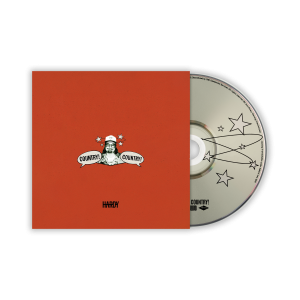
Beyond sound quality, CDs possess a trait that streaming can never replicate: tangibility. In a world where most media exists as cloud-based data, the physical sensation of holding a CD in your hands fosters a deeper connection with the music. Recall your last CD purchase: picking up the case, running your finger over the cover design (usually crafted with care by the creative team or a collaborating designer), opening it to find a companion booklet filled with creative notes, behind-the-scenes photos, or even hand-drawn visual elements. Some deluxe CDs include bonus audio tracks, live recordings, or behind-the-scenes production footage—extra content that feels like an exclusive gift from the creative team to fans. A listener once shared that when purchasing the CD of a conceptual music album, the case contained a small art book with essays by the creator about their sources of inspiration. Listening to the CD while reading these words made the music more immersive—it was like resonating with the creator’s thought process through text, an experience impossible to get from streaming alone.
Streaming reduces music to a list of tracks, but a CD is a carefully curated experience. Creative teams spend months (sometimes years) refining the track order of a musical work—arranging tracks to build an emotional arc, create rhythmic dynamics, or convey a complete creative theme. When listening to a work on streaming, it’s easy to skip uninteresting sections, shuffle tracks, or switch to another playlist mid-way. With a CD, however, you’re more likely to listen to the work exactly as the creative team designed it. Insert the disc into a player, press play, and let the music flow naturally—no skips, no distractions. This is a sign of respect for the creative vision, and it often leads to pleasant surprises: that “transition track” you might have skipped on streaming could become a favorite when heard in the full context of the CD, simply because it perfectly bridges the emotional tone of the surrounding music and is an indispensable part of the entire work. Streaming might have made you miss it forever, but a CD encourages you to give it a chance—ultimately turning it into a delightful discovery.
CDs also have a practical advantage that streaming cannot match: reliability. Anyone who has tried streaming music in a moving vehicle with unstable signal, or outdoors without internet coverage, knows the frustration of music cutting out during key moments. CDs, however, depend on neither an internet connection nor device battery life (as long as you have a CD player). They work in older car audio systems, portable players, and even home stereos from years ago. During special times—such as when internet signals are unstable or device battery is low—a CD collection often becomes a reliable source of music. Dig out an old portable CD player, stack a few discs nearby, and you can enjoy uninterrupted melodies—no buffering, no ads, just pure musical companionship. While this may seem like a small comfort, it reveals the reliability of CDs: when other technological solutions fail, they consistently deliver a stable music experience.
Additionally, CDs hold collectible value. For many music lovers, collecting CDs is more than just owning music—it’s a way to preserve music culture. Limited-edition CDs, specially packaged versions, or out-of-print releases all become prized possessions. Some people systematically collect CDs of a specific genre, including imported versions with unique content and commemorative editions, storing them carefully in dedicated spaces. They can even tell the story behind each disc: where it was bought, the background of its release, and why it holds personal significance. Streaming cannot offer this experience—on streaming platforms, you don’t “own” a piece of music; you only have access to it. If a platform loses the rights to a piece of music, or shuts down entirely, that music may disappear from your library forever. But a CD? It belongs entirely to you. You can keep it for years, or pass it on to another enthusiast who will cherish it, allowing this musical memory to live on.
Even younger generations are gradually drawn to the appeal of CDs. A 2024 study by a relevant industry association showed a significant increase in CD purchases among young audiences over the past two years. Many young fans are attracted to CDs because they represent a rebellion against the “fast-food culture” of streaming. “Streaming feels so transient,” one young listener said. “I find a piece of music I like, add it to a playlist, and soon it’s overshadowed by new content. But when I buy a CD, it feels like an investment in music. I listen to it more attentively, notice its details, and learn the stories behind its creation. This experience feels more meaningful.” Some people specifically buy deluxe edition CDs, placing them in visible spots in their daily lives. When they need to relax or focus, they play the CD and flip through the accompanying booklet—turning music listening into a ritualistic act.
Critics may argue that CDs are outdated—that they take up space, are less convenient than streaming, and that no one uses CD players anymore. But the truth is, CD players are still everywhere: in car audio systems, home audio equipment, and the portable player market (you can buy a brand-new portable CD player for a small sum). While CDs do take up space, this is part of their charm. A shelf filled with CDs is a visual expression of your musical taste and a conversation starter. When guests visit your home, they might glance at your CD collection and say, “Oh, you like this genre too? I love this album on CD as well.” This is a way to connect with others through shared passion—something a streaming playlist hidden in an electronic device can never achieve.
The future of CDs is not about replacing streaming—it’s about coexisting with it. Streaming is ideal for discovering new music, creating playlists for specific occasions, or revisiting works not heard in years. But CDs are for the music that truly matters: the albums you want to savor repeatedly, the creative teams you want to support directly, and the musical memories you want to cherish. They remind us that music is more than just sound—it’s a complete experience. It’s the anticipation of opening a CD case for the first time, the immersion of listening to music while browsing accompanying materials, and the awe of hearing music in its full, uncompressed quality. It’s the memories made during these listening moments: companionship during commutes, background music while working, comfort during low moods, and resonance during happy times.
Once, while organizing old belongings, someone might find a CD from years ago—its label faded, with tiny marks on its edge—but it still plays perfectly. Inserting it into a CD player and letting the familiar melody flow can evoke thoughts of how time has changed: life circumstances and surroundings have shifted, but the CD’s sound remains the same, still stirring familiar emotions, still bringing back memories associated with that music.
That is the magic of music CDs. They are more than just plastic discs—they are time capsules, silent companions, and precious collectibles. In a world that constantly chases new things and moves at an ever-faster pace, CDs remind us to slow down, listen with intention, and cherish the music that strikes a deep chord within us. So the next time you find yourself scrolling endlessly through a streaming playlist, consider picking up a CD instead. It might just transform the way you experience music—for the better.
Whether you’re a seasoned CD collector or a curious newcomer, there’s never been a better time to explore the world of music CDs. Visit your local record store, search online for CDs of your favorite genres, or dig through the old collections of people around you. You might be surprised by how much joy a small, shiny disc can bring. After all, good music deserves to be truly felt—not just streamed.
$39.98 Original price was: $39.98.$19.99Current price is: $19.99.
$50.00 Original price was: $50.00.$25.00Current price is: $25.00.
$90.00 Original price was: $90.00.$45.00Current price is: $45.00.
$45.99 Original price was: $45.99.$23.00Current price is: $23.00.
$13.98 Original price was: $13.98.$6.99Current price is: $6.99.
$75.00 Original price was: $75.00.$37.50Current price is: $37.50.
$45.00 Original price was: $45.00.$22.50Current price is: $22.50.
$39.98 Original price was: $39.98.$19.99Current price is: $19.99.
$40.00 Original price was: $40.00.$20.00Current price is: $20.00.
$40.00 Original price was: $40.00.$20.00Current price is: $20.00.
$40.00 Original price was: $40.00.$20.00Current price is: $20.00.
$70.00 Original price was: $70.00.$35.00Current price is: $35.00.
$100.00 Original price was: $100.00.$50.00Current price is: $50.00.
$35.00 Original price was: $35.00.$17.50Current price is: $17.50.
$45.00 Original price was: $45.00.$22.50Current price is: $22.50.
$40.00 Original price was: $40.00.$20.00Current price is: $20.00.
$75.00 Original price was: $75.00.$37.50Current price is: $37.50.
$40.00 Original price was: $40.00.$20.00Current price is: $20.00.
$65.00 Original price was: $65.00.$32.50Current price is: $32.50.
$75.00 Original price was: $75.00.$37.50Current price is: $37.50.